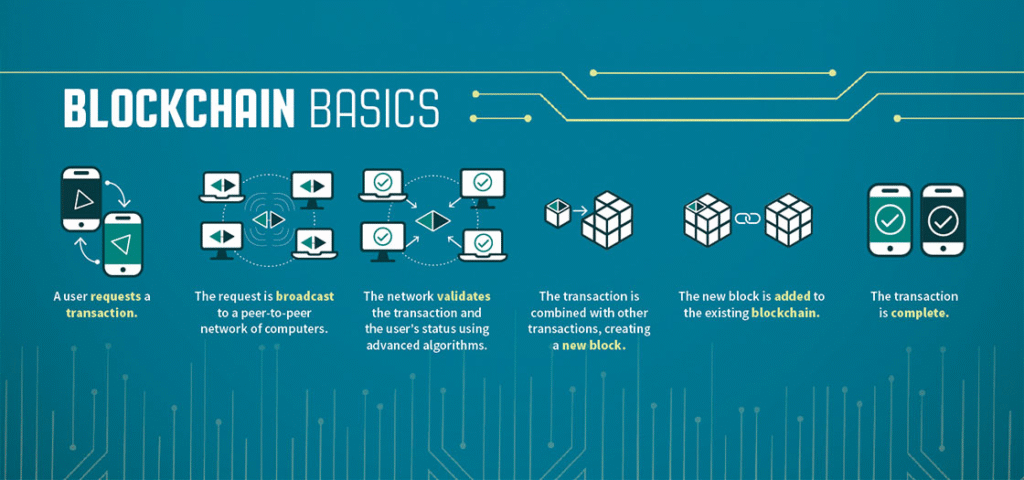

A few years ago, bringing up cryptocurrency at a dinner party usually triggered two extreme reactions: either people thought it was the Best future of money, or they wrote it off as a passing, speculative gamble.
Fast forward to 2026, and the tone has completely shifted. Crypto isn’t just a niche topic for tech forums or overnight traders anymore—it has quietly woven itself into normal financial conversations. Major banks are utilizing blockchain tech, global companies are accepting digital payments in select markets, and governments are finally establishing clearer regulatory guardrails.
More importantly, the way people view the market has matured. Investors aren’t just chasing sudden price spikes or social media hype anymore. They’re asking much practical, grounded questions: Does this actually solve a real problem? Is the underlying tech reliable? Can this project survive for the long haul?
If you’re trying to figure out which projects actually matter in 2026, you aren’t alone. With thousands of tokens out there, separating real potential from short-lived noise can feel overwhelming.
Here is a clear-eyed look at where the market stands today, the major Best trends driving it forward, and the coins carrying genuine weight.
What’s Actually Driving the Market in 2026?

Every time the crypto market dips, someone declares that blockchain is dead. Yet, the industry keeps building. The biggest shift we’re seeing right now is a move away from pure speculation and toward genuine utility.
A few key shifts are shaping the landscape this year:
- AI Meets Blockchain: Artificial intelligence and blockchain are turning out to be natural partners. AI thrives on data, but needs trust and security; blockchain provides transparent data tracking and automated smart contracts. Projects sitting at this intersection are seeing massive developer traction.
- Tokenizing Real-World Assets: One of the most practical developments isn’t a new cryptocurrency at all, but rather the digital representation of physical assets—like real estate, fine art, or commodities—on the blockchain. It makes fractional ownership easier and cuts out unnecessary middlemen.
- Faster, Cheaper Infrastructure: Early blockchain networks struggled with high transaction fees and slow processing speeds. Today’s major networks have largely solved these bottlenecks, making digital transactions fast and cheap enough for everyday business use.
- Institutional Backing: Major investment firms and traditional banks aren’t ignoring digital assets anymore. Their involvement doesn’t make crypto risk-free, but it does lend the space a level of stability and credibility that simply didn’t exist a decade ago.
The Heavy Hitters: Which Cryptos Matter Right Now?

While new projects pop up daily, experienced investors usually anchor their focus around projects with proven track records, active developer communities, and practical use cases.
1. Bitcoin (BTC) — The Anchor
Bitcoin remains the undisputed benchmark for the entire market. Often dubbed “digital gold,” its hard cap of 21 million coins gives it a built-in scarcity that appeals to people looking to hedge against traditional currency inflation. It’s volatile, sure, but its massive liquidity, deep brand recognition, and institutional adoption keep it at the center of the ecosystem.
2. Ethereum (ETH) — The Engine of Innovation
If Bitcoin acts as digital money, Ethereum acts as a global decentralized computer. It’s the foundational layer for smart contracts, decentralized finance (DeFi), and thousands of independent applications. Thanks to continuous network upgrades that have reduced its energy footprint and improved speed, Ethereum remains the go-to platform for developers.
3. Solana (SOL) — Built for Speed
Solana carved out its place by prioritizing lightning-fast transaction speeds and extremely low fees. It has become a favorite environment for high-frequency trading apps, NFT ecosystems, and consumer-facing Web3 projects. Despite experiencing a few growing pains in its early infrastructure, its speed and active developer base keep it firmly in the top tier.
4. Chainlink (LINK) — The Data Bridge
Blockchains are naturally isolated—they can’t “see” what’s happening in the outside world on their own. Chainlink solves this critical problem by acting as a secure bridge, feeding real-world data (like stock prices, weather updates, or logistics data) directly into smart contracts. It doesn’t compete as a daily payment coin; instead, it provides essential plumbing for the rest of the industry.
5. XRP — Streamlining Global Payments
Moving money across international borders through traditional banking networks is notoriously slow and expensive. XRP was designed specifically to fix that friction, enabling near-instant, low-cost cross-border liquidity for financial institutions. Despite navigating years of regulatory scrutiny, its focus on solving a massive legacy banking issue keeps it relevant.
Best Smart Investing: Avoiding the Classic Trap

It’s easy to read success stories and feel a rush of FOMO (Fear Of Missing Out), but diving in blindly is the fastest way to lose money. Crypto remains one of the most volatile asset classes in existence.
If you’re looking to participate safely, keep these ground rules in mind:
- Look Past the Hype: If a project relies heavily on flashy marketing and promises guaranteed returns, run. Always look for an active developer team, transparent code, and an actual business problem being solved.
- Protect Your Assets: Security is entirely your responsibility in the crypto world. Use hardware wallets for long-term holdings, enable two-factor authentication everywhere, and never—under any circumstance—share your private recovery seed.
- Invest Only What You Can Afford to Lose: Crypto should be a complementary piece of a broader, well-diversified financial plan, not a substitute for standard savings, emergency funds, or retirement accounts.
- Think in Years, Not Days: Trying to time day-to-day market swings usually ends badly. The people who navigate crypto most successfully are those who do their homework, pick solid projects, and give the technology time to mature.
Focus on Best Learning Before Investing

Cryptocurrency remains one of the most fascinating and rapidly changing areas of technology and finance.
Projects like Bitcoin, Ethereum, Solana, XRP, Avalanche, Cardano, and Chainlink continue attracting attention because they offer different approaches to solving real-world challenges.
At the same time, investing in cryptocurrency involves risk. No investment is guaranteed, and market conditions can change quickly.
The most valuable strategy is often simple: learn continuously, research carefully, invest responsibly, and think long term.
Success in investing is rarely about chasing trends. It is usually about making informed decisions and staying patient over time.
FAQs
1. Which cryptocurrency is the best investment in 2026?
There is no single “best” cryptocurrency for everyone. Investors often evaluate projects based on technology, use cases, development activity, and personal risk tolerance.
2. Is cryptocurrency risky?
Yes. Cryptocurrency markets can be highly volatile, and investors should understand the risks before investing.
3. Should beginners invest in crypto?
Beginners should start by learning about blockchain, researching projects, understanding risks, and only investing amounts they can afford to lose.
4. Is blockchain useful beyond cryptocurrency?
Yes. Blockchain technology is being explored in finance, healthcare, supply chains, digital identity, and many other industries.
5. How can I keep cryptocurrency safe?
Using secure wallets, strong passwords, and two-factor authentication can help improve security.