
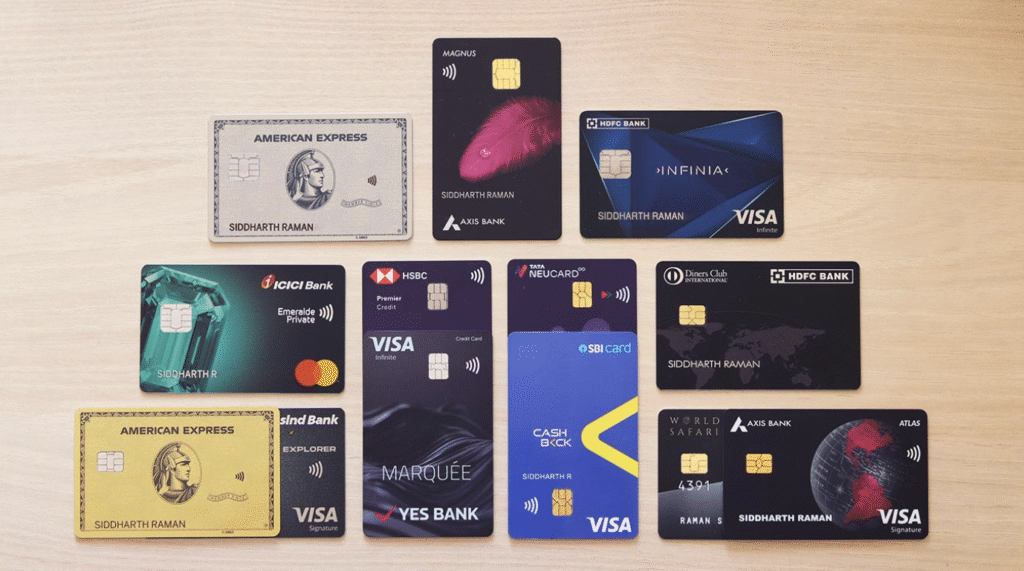
Credit cards can be useful for everyday spending, but the real appeal for many people is what comes back after the purchase.Depending on the card, your regular spending may earn cashback, reward points, airline miles, hotel benefits, discounts, or other perks. Credit Cards A grocery run, restaurant bill, online purchase, or flight booking could all contribute toward future rewards.
But choosing a credit card isn’t simply about finding the biggest rewards number.A Credit Cards with impressive-looking rewards may also have an annual fee, spending requirements, redemption restrictions, foreign transaction fees, or other conditions that don’t suit everyone. The card that works well for one person may be a poor fit for someone with completely different spending habits.
That’s why it’s worth looking beyond the headline reward rate.In this guide, we’ll look at how credit card rewards work, the difference between cashback, points, and travel rewards, what fees to watch, and how to choose a card that fits your everyday spending.
What Are Credit Cards Rewards?

Credit card rewards are benefits you can earn when you use a card for eligible purchases.
Depending on the card, rewards might come in several forms:
- Cashback
- Reward points
- Travel miles
- Hotel points
- Statement credits
- Shopping discounts
- Partner offers
- Travel and purchase benefits
For example, a Credit Cards might offer cashback on selected spending categories, while another may give points that can be redeemed for travel or merchandise.
The important thing is to understand how rewards are earned and how they can actually be used.
A reward that looks valuable on paper may not be as useful if redemption options are limited.
Credit Cards, Cashback, Points and Travel Rewards at a Glance
| Reward Type | How It Usually Works | Common Uses | What to Check |
|---|---|---|---|
| Cashback | Receive a percentage of eligible spending back | Statement credit, bank deposit or other redemption | Cashback rate and spending limits |
| Reward Points | Earn points on qualifying purchases | Shopping, travel, gift cards or other rewards | Point value and redemption rules |
| Travel Miles | Earn miles from eligible purchases | Flights and travel bookings | Airline partners and expiration rules |
| Hotel Rewards | Earn points or benefits with hotel programs | Hotel stays and upgrades | Participating properties and restrictions |
| Sign-Up Rewards | Receive a bonus after meeting qualifying requirements | Travel, cashback or points redemption | Spending requirement and deadline |
| Category Rewards | Earn more on selected purchases | Groceries, dining, fuel, travel and more | Eligible merchants and category limits |
| Statement Credits | Receive a credit for qualifying purchases | Offset eligible charges | Enrollment and eligibility requirements |
How Cashback Credit Cards Work
Cashback cards are often easy to understand.You spend money on eligible purchases, and the Credit Cards provides a percentage back according to its reward structure.For example, a card could offer a higher cashback rate on certain categories and a lower rate on everyday purchases. Some cards may use rotating categories, while others have fixed reward categories.
Before choosing one, check whether the categories match the way you actually spend.If most of your spending is on groceries but the card offers its strongest rewards on travel, the headline rate may not be particularly useful to you.Also check whether there are monthly, quarterly, or annual limits on bonus cashback.
How Credit Cards Points Work
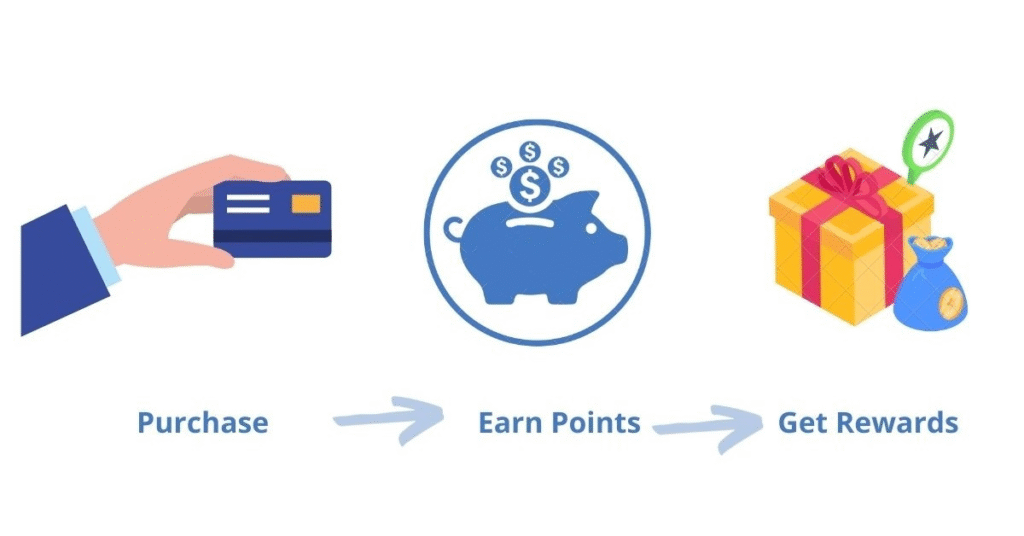
Points can be a little more complicated than cashback.A Credit Cards may award a certain number of points for every eligible purchase, with additional points available for specific categories.
Those points may then be redeemed for things such as:
- Travel
- Gift cards
- Merchandise
- Shopping credits
- Statement credits
- Partner programs
The key question is not simply how many points you earn.
It’s what those points are worth when you redeem them.
Two cards might both advertise a large number of points, but their redemption values and options can be very different.
Always read the issuer’s current rewards terms before deciding how valuable a points program will be for you.
How Travel Rewards Work
Travel-focused Credit Cards can appeal to people who regularly book flights, hotels, rental cars, or other travel services.
Depending on the card and program, rewards may include airline miles, hotel points, travel credits, airport lounge access, or other travel-related benefits.
Some cards also allow points to be transferred to participating airline or hotel loyalty programs.
This can create additional flexibility, but transfer rules vary. Check the participating programs, transfer ratios, fees, and other conditions before assuming that a particular points balance has a certain travel value.
Understanding Reward Rates

Credit Cards Reward rates can look impressive at first glance, but there’s usually more to the story.
Imagine a card offering:
- A higher reward rate on selected categories
- A standard rate on other purchases
- A limited-time introductory offer
- A spending cap on bonus categories
That means the actual value you receive depends on where your money goes.
A good way to evaluate a card is to look at your spending from the previous few months.
Ask yourself:
Where do I spend the most money?
Credit Cards If your biggest expenses are groceries, dining, fuel, travel, or online shopping, look for a reward structure that matches those categories.
Sign-Up Bonuses and Introductory Offers
Many Credit Cards offer introductory rewards to attract new customers.
A typical offer might require you to spend a specified amount within a particular period to receive bonus points, cashback, or miles.
These offers can be attractive, but they shouldn’t encourage unnecessary spending.
If you need to spend more than you normally would just to unlock a bonus, the reward may not be worth the extra expense.
Before applying, check:
- The minimum spending requirement
- The time period for qualifying
- Eligible purchases
- Annual fees
- Reward expiration rules
- Restrictions or exclusions
Always use the current offer terms from the card issuer because promotional conditions can change.
Don’t Ignore Annual Fees

An annual fee can significantly affect the real value of a rewards card.
A Credit Cards might provide valuable rewards and travel benefits, but if you don’t use enough of those benefits, the annual fee can reduce or even eliminate the value you receive.
Consider the card as a whole.
For example:
Estimated annual rewards − annual fee = approximate reward value
This isn’t a complete calculation because other benefits and costs can also matter, but it gives you a useful starting point.
Credit Cards Interest Matters More Than Rewards
This is one of the most important Credit Cards things to remember.
Rewards should not encourage you to spend more than you can comfortably repay.
If you carry a balance and pay interest, the interest charges can outweigh the value of the rewards you earn.
A simple cashback reward may be worth much less than the interest charged on an unpaid balance.
For that reason, rewards should generally be treated as an added benefit rather than a reason to borrow more.
Credit Score and Credit Cards Applications

Credit Cards applications and account activity can affect your credit profile, depending on the country and credit-reporting system involved.
Before applying for a new card, understand the issuer’s eligibility requirements and review your current credit situation.
Applying for multiple cards within a short period may also have consequences depending on the credit system and lender.
Instead of applying for every attractive offer you see, compare the cards first and focus on the features that actually match your needs.
Foreign Transaction Fees and Travel Spending
If you regularly spend money outside your Credit Cards home country, don’t look only at travel rewards.
Foreign transaction fees can affect the overall cost of international purchases.
A card may offer travel points but still charge fees on certain foreign transactions. Another card may offer fewer rewards but have features that are more useful for international spending.
When comparing travel cards, check:
- Foreign transaction fees
- Currency conversion practices
- Travel insurance terms
- Airport lounge benefits
- Airline or hotel partnerships
- Travel credits
- Reward redemption options
The details matter.
How to Choose a Credit Cards for Your Spending

There isn’t one credit card that makes sense for everyone.
Start with your own spending habits.
1. Look at Your Monthly Spending
Review several months of spending and identify your biggest categories.
2. Decide Which Rewards You Actually Want
Would you rather receive simple cashback, collect points, or earn travel rewards?
Choose the system you’ll realistically use.
3. Compare the Fees
Look beyond the annual fee. Check foreign transaction fees, late-payment fees, balance transfer fees, and other applicable charges.
4. Read the Reward Rules
Check spending limits, exclusions, redemption options, expiration policies, and eligibility requirements.
5. Consider the Benefits
Travel credits, purchase protection, extended warranties, lounge access, or other benefits may add value depending on your needs.
6. Check the Current Terms
Credit card offers change. Always confirm the current rates, fees, rewards, and conditions directly with the card issuer before applying.
Cashback vs Points vs Travel Rewards
| Feature | Cashback | Points | Travel Rewards |
|---|---|---|---|
| Simplicity | Usually straightforward | Can vary | Often more complex |
| Best For | Everyday savings | Flexible redemptions | Frequent travelers |
| Redemption | Cashback or statement credit | Multiple options | Flights, hotels and travel |
| Flexibility | Often high | Depends on program | Depends on travel partners |
| Important Consideration | Cashback limits | Point value | Transfer and booking rules |
| Potential Extra Benefits | Category bonuses | Partner rewards | Travel perks and credits |
Common Credit Cards Mistakes to Avoid

A rewards Credit Cards can be useful, but it’s easy to focus too much on the rewards and forget the rest.
Here are some common mistakes:
- Choosing a card only because of a large sign-up bonus
- Spending more than planned to earn rewards
- Ignoring annual fees
- Carrying a balance for rewards
- Forgetting reward expiration rules
- Not checking spending limits
- Assuming all purchases qualify for rewards
- Ignoring foreign transaction fees
- Applying for too many cards without comparing them
- Forgetting to read the current terms and conditions
A little research before applying can save you from unpleasant surprises later.
Ways to Get More Value From Credit Cards Rewards
You don’t necessarily need several Credit Cards to make rewards work for you.
Start by understanding one card properly.
Know which purchases earn bonus rewards, when rewards are credited, and what redemption options are available.
You can also:
- Match cards to your regular spending categories
- Use available introductory offers responsibly
- Redeem rewards before they expire
- Check for issuer promotions
- Compare redemption values
- Avoid unnecessary purchases
- Pay attention to annual fees
- Review your card’s benefits regularly
The most useful rewards strategy is usually one that fits naturally into your existing spending rather than one that encourages Credit Cards you to spend more.
Are Travel Credit Cards Worth It?

That depends on how you travel and how you use the card.
Someone who travels frequently may find travel rewards, airline partnerships, hotel benefits, or travel credits useful.
Someone who rarely travels may prefer the simplicity of cashback.
The important thing is to compare the real benefits you expect to use against the fees and conditions attached to the card.
Frequently Asked Questions
1. What are credit card rewards?
Credit card rewards are benefits earned from eligible purchases. Depending on the card, rewards may include cashback, points, airline miles, hotel rewards, discounts, or other perks.
2. What is the difference between cashback and credit card points?
Cashback generally returns part of your eligible spending as money or a statement credit. Points can usually be redeemed for options such as travel, gift cards, merchandise, or other benefits, depending on the card’s rewards program.
3. Are credit card rewards worth it?
The value depends on your spending habits, the card’s fees, reward rates, redemption options, and how you use the benefits. A card can be more useful when its rewards match your regular spending.
4. How do travel credit card rewards work?
Travel cards may earn points or miles on eligible purchases. Depending on the program, these rewards may be used for flights, hotels, travel bookings, or transferred to participating travel partners.
5. What should I look for in a rewards credit card?
Consider the reward rate, annual fee, spending categories, sign-up requirements, redemption options, foreign transaction fees, and other benefits before applying.