

In today’s fast-paced financial world, understanding banking and loans is no longer optional—it is essential. Whether you are saving money, applying for a loan, or managing repayments, the right financial knowledge can protect you from stress and debt traps while helping you build a secure future. Mastering your money begins with smart banking habits and responsible borrowing.
1. Understanding the Basics of Banking
Banking is the foundation of personal finance. A bank helps you store money safely, earn interest, make digital payments, and access financial services. Savings accounts help manage daily expenses, while current accounts support business needs. Fixed deposits and recurring deposits encourage disciplined saving. When you understand how each account works, you can use banking services to your full advantage.
2. Importance of Smart Saving

Saving is the first step toward financial stability. A good saving habit protects you during emergencies and helps you achieve future goals such as education, marriage, travel, or retirement. Automating your savings, keeping separate accounts for goals, and avoiding unnecessary spending can strengthen your financial health over time.
3. Digital Banking and Its Benefits

Digital banking has made financial management faster and more convenient. Mobile banking, UPI payments, online fund transfers, and digital wallets allow you to control your money anytime, anywhere. It reduces paperwork, saves time, and improves transparency. However, users must also stay alert to cyber fraud and practice safe online banking.
4. Understanding Loans and Credit
A loan is money borrowed from a bank or financial institution that must be repaid with interest. Loans can be helpful when used wisely—for education, home purchase, business growth, or emergencies. Common types of loans include personal loans, home loans, education loans, vehicle loans, and business loans. Each loan has different interest rates, tenures, and eligibility criteria.
5. How to Choose the Right Loan

Before taking a loan, always compare interest rates, processing fees, repayment tenure, and monthly EMIs. Borrow only what you truly need. A lower interest rate and longer tenure may reduce monthly burden, but it can increase total interest paid. Understanding the full cost of borrowing helps you avoid future regret.
6. The Power of a Good Credit Score
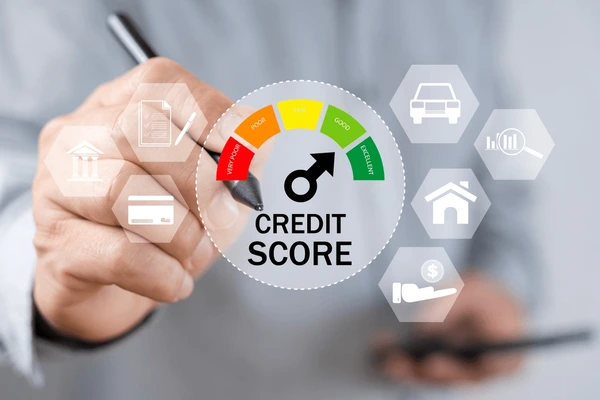
Your credit score reflects your ability to repay loans. A high credit score improves your chances of loan approval and helps you get better interest rates. Paying EMIs on time, keeping credit card balances low, and avoiding multiple loan applications at once strengthen your credit profile. A good credit history is one of your most powerful financial assets.
7. Managing Loan Repayments Smartly

Timely repayment of loans is just as important as taking the loan itself. Missed EMIs damage your credit score and invite penalties. Create a repayment plan aligned with your income. If possible, make prepayments to reduce interest burden. Smart loan management keeps your finances stable and stress-free.
8. Avoiding Debt Traps
Loans should support your financial growth, not control your life. Avoid unnecessary borrowing for luxury expenses. Do not rely heavily on credit cards for daily spending. Borrow responsibly and always assess your repayment ability before saying yes to any loan offer.
9. Role of Banking in Wealth Creation

Banks not only help you store money but also help you grow it. Interest-bearing deposits, mutual fund investments, government savings schemes, and retirement plans offered through banks can help build long-term wealth. When you combine saving, investing, and responsible borrowing, money begins to work for you.
10. Building a Strong Financial Future

Financial success is not built overnight. It is created through consistent habits such as saving regularly, banking smartly, borrowing responsibly, and planning for long-term goals. When you understand banking and loans clearly, you gain control over your money instead of being controlled by it.
Final Thoughts
Mastering your money is a lifelong journey. Banking gives you security, while loans provide opportunities when used wisely. With the right balance of saving, spending, and borrowing, you can achieve financial freedom and long-term success. The key is not just earning money—but managing it with knowledge and discipline.
Disclaimer:The information provided in this article is for general educational and informational purposes only and should not be considered as financial, legal, or investment advice. Banking rules, loan terms, interest rates, and financial regulations may vary by institution and over time. Readers are advised to consult with qualified financial advisors, bankers, or legal professionals before making any financial decisions. The author and publisher shall not be held responsible for any financial loss or risk arising from the use of this information.
#BankingAndLoans #FinancialSuccess #SmartBanking #LoanGuidance #PersonalFinanceTips #MoneyManagement #CreditScoreTips #DebtManagement #FinancialLiteracy #SavingsGoals #Anslation #Carrerbook