

Money touches every part of our lives—our goals, our security, and even our peace of mind. Yet, many people move through life using banks and loans without truly understanding how they work. When you know how to manage banking and credit wisely, money stops controlling you and starts working for you. This guide breaks it all down in clear, practical terms so you can take full control of your financial future.
Understanding the Role of Banking in Everyday Life

Banks are more than just places to store money. They are the foundation of the modern financial system. Your salary, savings, bills, transfers, investments, and even loans are all connected through banking.
At a basic level, banks help you:
- Keep your money safe
- Access cash when needed
- Pay bills efficiently
- Transfer funds instantly
- Build a financial record
- Qualify for credit and loans
A well-managed bank account is the first step toward long-term financial stability.
Types of Bank Accounts You Should Know
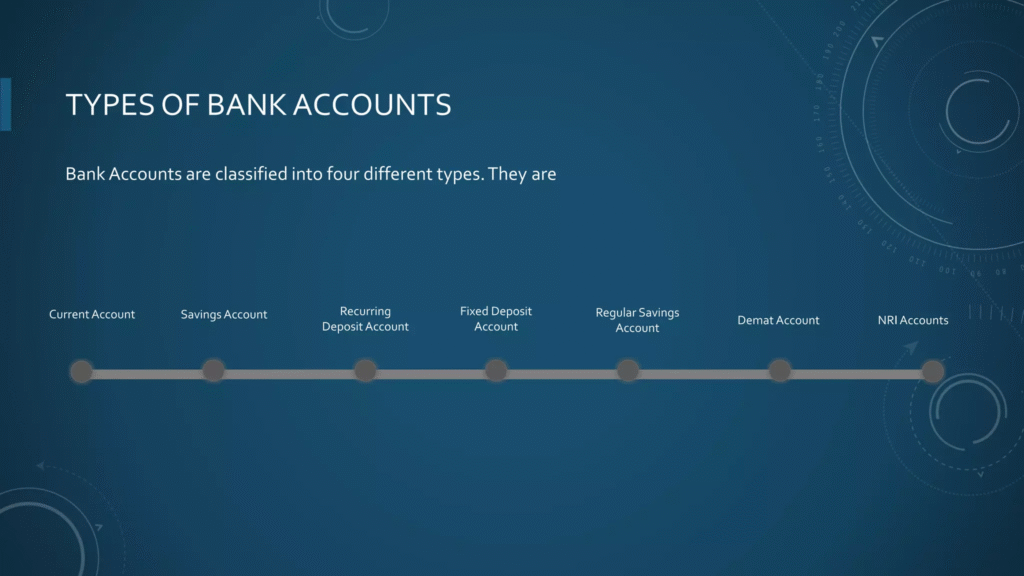
Different financial needs require different types of accounts.
A savings account is ideal for storing emergency funds and short-term goals while earning interest.
A current account is designed for daily transactions, especially for businesses and frequent money movement.
A fixed deposit account helps grow savings with higher interest for a fixed time period.
A salary account makes income deposits smooth and often includes special benefits.
A digital or zero-balance account allows easy access to online banking with minimal balance requirements.
Choosing the right mix of accounts helps you manage spending, saving, and investing efficiently.
What Loans Really Are and How They Work


A loan is borrowed money that must be repaid with interest over time. Banks earn profit through this interest, while borrowers gain access to funds they may not immediately have.
Every loan includes:
- The principal amount (borrowed sum)
- Interest rate (cost of borrowing)
- Tenure (repayment period)
- Monthly installment (EMI)
- Processing and service charges
Your ability to repay, income stability, credit score, and banking history decide whether your loan is approved and at what interest rate.
Common Types of Loans
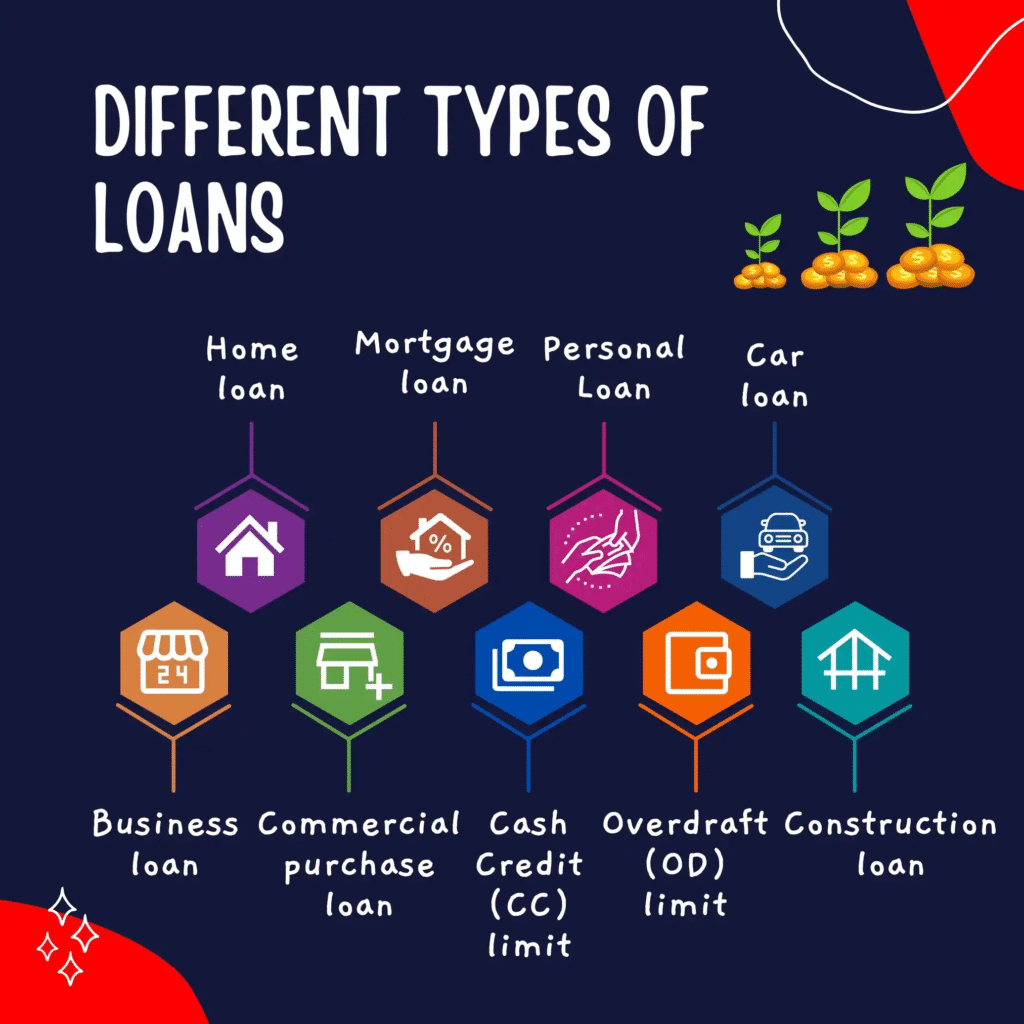
Understanding different loans helps you borrow only when it truly makes sense.
Personal loans are unsecured and used for emergencies, travel, or personal expenses.
Home loans help purchase or build property with long repayment tenures and lower interest rates.
Education loans support higher studies with deferred repayment options.
Vehicle loans assist in purchasing two-wheelers or cars.
Business loans fund expansion and working capital needs.
Gold loans offer quick fund access with gold as security.
Each loan type has its own risks, benefits, and eligibility criteria. Smart borrowing always starts with choosing the right loan.
The Importance of a Strong Credit Score
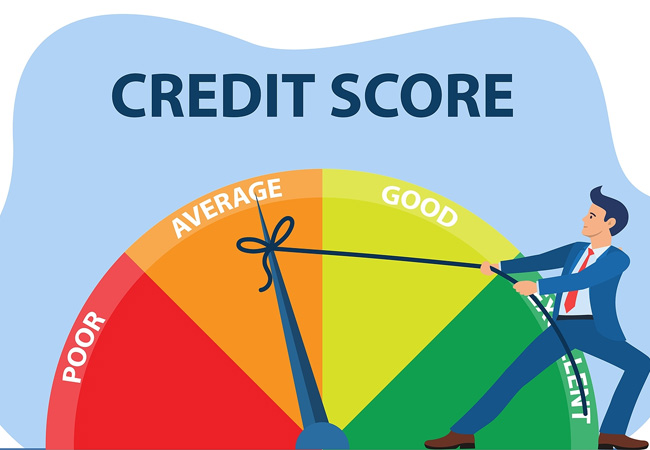
Your credit score is your financial reputation. It tells lenders how responsibly you have handled money in the past. A higher credit score means:
- Easier loan approvals
- Lower interest rates
- Higher loan limits
- Better bargaining power
You can improve your credit score by:
- Paying EMIs and credit cards on time
- Keeping loan utilization low
- Avoiding frequent loan applications
- Maintaining a long, clean credit history
Good credit is not built overnight. It grows with discipline and patience.
Smart Borrowing Habits for Long-Term Success
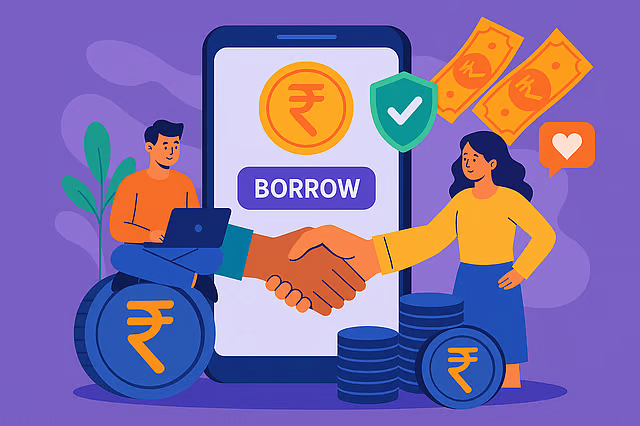
Borrowing is not bad if done wisely. Problems arise when loans are taken impulsively or without planning.
Before taking any loan:
- Ask if the expense is a need or a want
- Compare interest rates from multiple banks
- Check hidden fees and penalties
- Ensure EMIs fit comfortably within your monthly budget
- Always read the full loan agreement
A well-planned loan can help you grow. A careless loan can trap you in years of stress.
Digital Banking and the New Age of Money
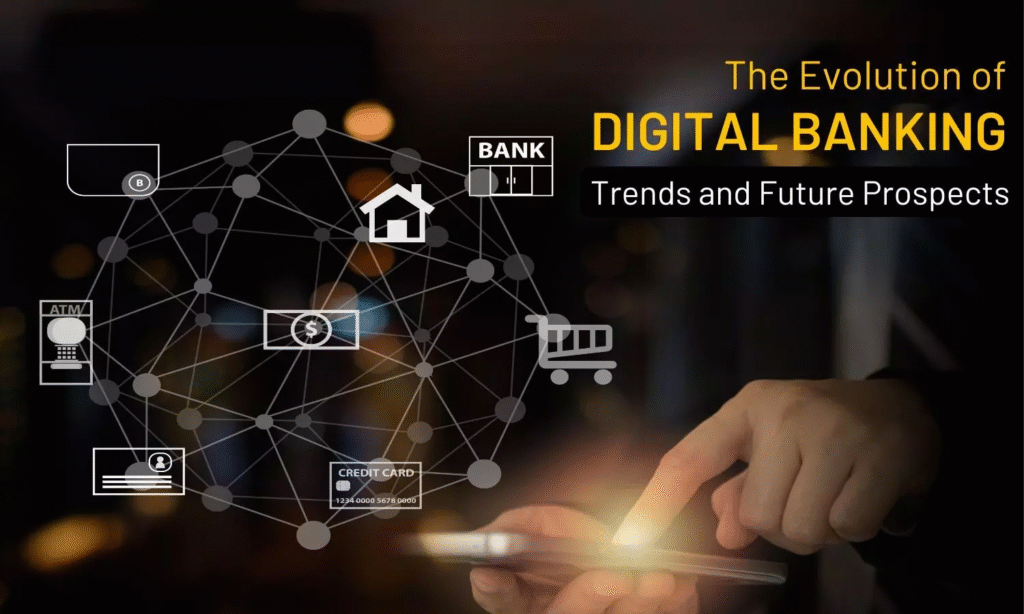
Banking today is faster and easier than ever. With mobile apps, internet banking, and digital wallets, you can:
- Transfer money instantly
- Pay bills and taxes online
- Track expenses in real time
- Invest with a few clicks
- Apply for loans digitally
While digital banking offers convenience, it also demands responsibility. Always protect your passwords, avoid public Wi-Fi for transactions, and never share OTPs or PINs.
How to Balance Saving, Spending, and Borrowing
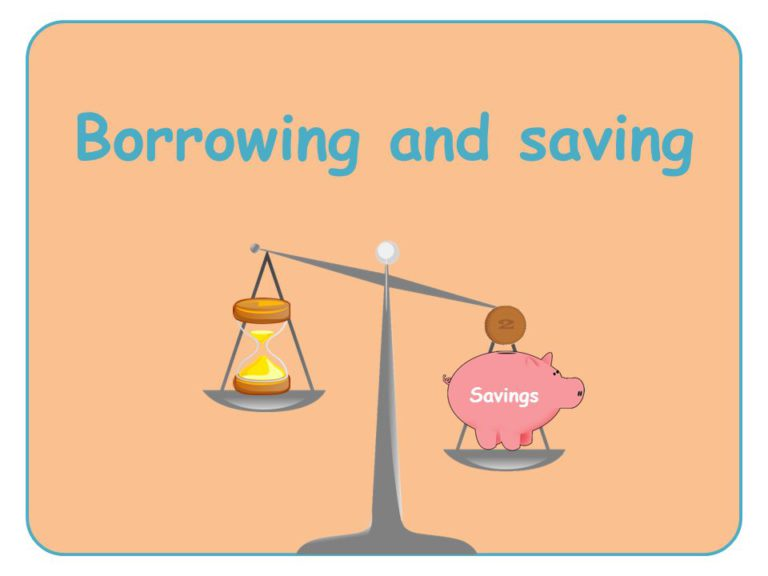
Financial success is not about earning more alone. It is about managing what you earn wisely.
A healthy approach includes:
- Saving at least 20 percent of your income
- Spending consciously, not emotionally
- Borrowing only for value-adding needs
- Keeping an emergency fund for unexpected events
- Reviewing your finances every few months
Money management is a habit, not a one-time decision.
Common Banking and Loan Mistakes to Avoid
Many people struggle financially because of avoidable mistakes such as:
- Ignoring fine print in loan agreements
- Paying only minimum credit card dues
- Taking multiple loans at once
- Using loans for luxury purchases
- Missing EMI payments frequently
- Not checking credit reports regularly
Avoiding these mistakes protects not just your money but also your mental peace.
Final Thoughts
Banking and loans are powerful financial tools. Used wisely, they can help you buy a home, fund education, grow a business, and build long-term wealth. Used carelessly, they can create stress, debt traps, and years of financial struggle.
True financial success comes from understanding how money flows, how credit works, and how discipline shapes your future. When you master your banking habits and borrow with purpose, you move closer to real financial freedom.
Disclaimer:This content is for informational and educational purposes only and should not be considered financial or legal advice. Banking products, loan terms, and interest rates vary by institution and region. Always consult a qualified financial advisor or your bank before making major financial decisions.
#BankingGuide #LoanManagement #PersonalFinanceTips #SmartBorrowing #CreditScoreAwareness #FinancialSuccess #MoneyManagement #LoansExplained #DigitalBanking #WealthBuilding #Anslation #Carrerbook