The internet has changed a lot over the years.We went from static websites to social media, streaming platforms, mobile apps, and cloud-based services.Web3 Technologies Now another shift is taking shape around Web3—a broader vision of an internet where blockchain technology can play a bigger role in ownership, payments, identity, applications, and online communities.
Web3 can sound complicated when it’s explained through technical terms and endless crypto jargon. At its core, though, the idea is fairly easy to understand: give people more ways to own, control, and interact with digital assets and services without depending entirely on traditional centralized platforms.
That doesn’t mean Web3 will replace the internet we use today overnight. Instead, different technologies are developing alongside existing systems, and some are already finding practical uses.
From decentralized finance and smart contracts to tokenization and decentralized physical infrastructure, these are some of the best Web3 Technologies to watch in 2026.
What Is Web3?
Web3 generally refers to a vision of a more decentralized internet built using technologies such as blockchain, smart contracts, cryptocurrencies, decentralized applications, and token-based systems.
The idea is different from the traditional web in one important way: digital ownership and control can be built into the technology itself.
For example, instead of an online asset existing only inside one company’s database, blockchain Web3 Technologies can provide a publicly verifiable record of ownership.
Web3 is still developing, and not every project or idea will succeed. But several areas are attracting attention because they could have uses beyond speculation and cryptocurrency trading.
1. Blockchain Technology
Blockchain remains the foundation for much of the Web3 ecosystem.
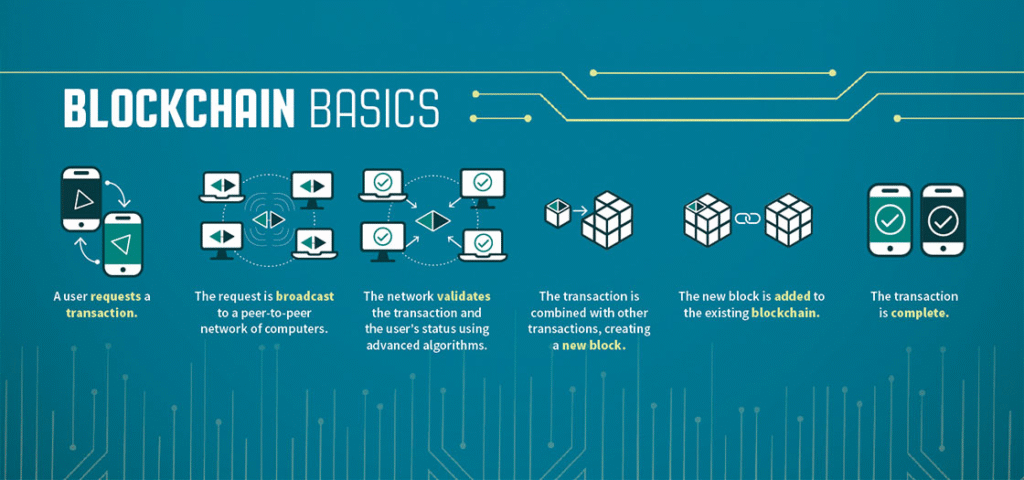
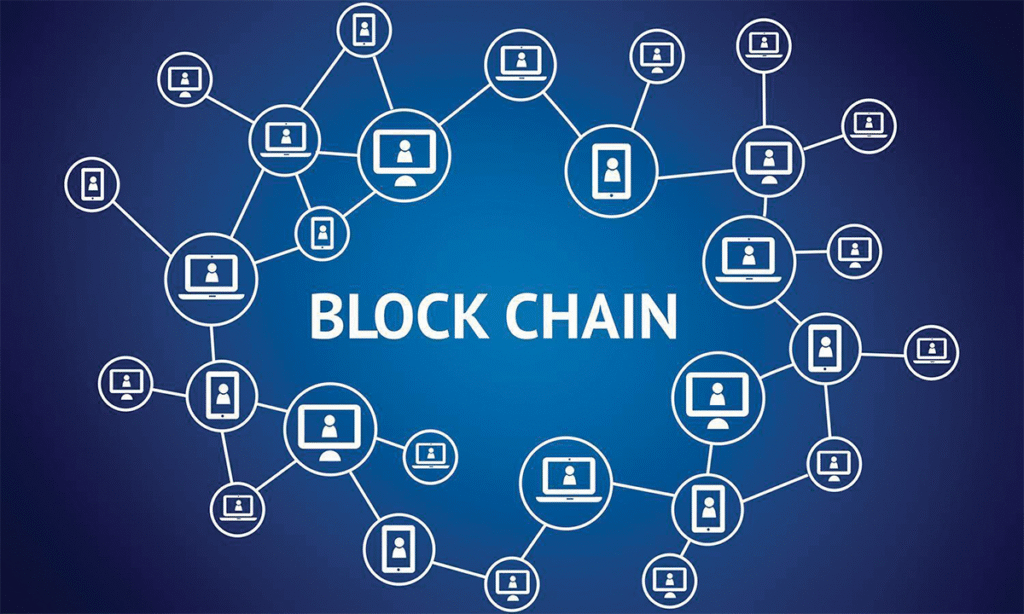
A blockchain is essentially a distributed digital ledger that records transactions and other information across a network. Because records are shared and cryptographically secured, changing previously recorded information can be difficult.
Bitcoin introduced blockchain as a way to record peer-to-peer digital transactions. Since then, blockchain networks have expanded into programmable platforms that can support applications, tokens, financial services, and other digital systems.
In 2026, blockchain development is increasingly focused on making networks faster, easier to use, more scalable, and more useful outside simple cryptocurrency transfers.
Why watch it: Blockchain provides the infrastructure behind many Web3 Technologies applications and d igital ownership systems.
2. Smart Contracts
Smart contracts are one of the most important building blocks of Web3 Technologies.
Despite the name, a smart contract isn’t necessarily a traditional legal contract. It’s software deployed on a blockchain that can automatically execute predefined actions when specific conditions are met.
Think of it like a digital vending machine.
You provide the required input, and the programmed system performs the corresponding action without someone manually processing the transaction.
Smart contracts can support decentralized exchanges, lending applications, digital collectibles, tokenization platforms, gaming systems, and many other applications.
Why watch it: They allow blockchain networks to do more than record transactions—they make programmable digital agreements possible.
3. Decentralized Finance (DeFi) Web3 Technologies
DeFi, short for decentralized finance, brings financial services into blockchain-based environments.
Traditional financial services usually depend on banks, brokers, exchanges, or other centralized institutions. DeFi applications attempt to provide certain functions through smart contracts and decentralized networks.
Examples include decentralized exchanges, lending platforms, borrowing protocols, and other financial applications.
The technology is still evolving and comes with significant risks, including smart-contract vulnerabilities, market volatility, liquidity problems, and regulatory uncertainty.
Still, DeFi remains one of the most important areas to watch because it demonstrates how blockchain can be used for more than simply holding digital currencies.
Why watch it: DeFi continues to explore new ways of providing financial services through programmable networks.
4. Tokenization and Digital Ownership Web3 Technologies

One of the most interesting Web3 developments is tokenization.
Tokenization means representing an asset, right, or other form of value digitally using a blockchain-based token.
The underlying asset could potentially be a financial instrument, physical property, artwork, collectible, or another type of real-world asset.
This doesn’t automatically make an asset easier to buy or sell, and the legal structure behind tokenized assets matters enormously. But the Web3 Technologies can create a digital record showing ownership or claims associated with an asset.
This is where Web3’s idea of digital ownership becomes particularly interesting.
Instead of simply having an account showing that you possess something, blockchain systems can provide transferable, verifiable records.
Why watch it: Tokenization could connect traditional assets with blockchain-based infrastructure.
5. Decentralized Applications (dApps)
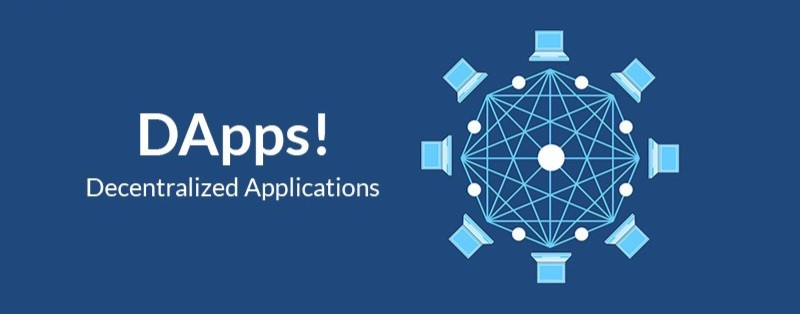
A Web3 Technologies decentralized application, commonly called a dApp, uses blockchain networks or decentralized infrastructure for some part of its operation.
The experience can sometimes look surprisingly familiar.
You may still interact with a website or mobile interface, but behind the scenes, blockchain technology and smart contracts can handle transactions or ownership.
dApps are being explored across finance, gaming, social platforms, marketplaces, identity systems, and creator tools.
One challenge is usability. For mainstream adoption, Web3 applications need to feel much simpler than many early blockchain products.
Why watch it: dApps could bring blockchain functionality into everyday online experiences.
6. Layer 2 Scaling
Blockchain networks can become expensive or slow when large numbers of people try to use them at the same time.
Layer 2 networks Web3 Technologies are designed to help address this problem by processing transactions using systems built on top of an underlying blockchain.
The basic idea is simple: move some activity away from the main network while still using it as an important security or settlement layer.
As Web3 applications attract more users, scalability becomes increasingly important.
Nobody wants to wait for a transaction to process or pay an unexpectedly high fee just to use an application.
Why watch it: Better scaling can make blockchain applications faster, cheaper, and more practical for everyday users.
7. Decentralized Physical Infrastructure Web3 Technologies Networks
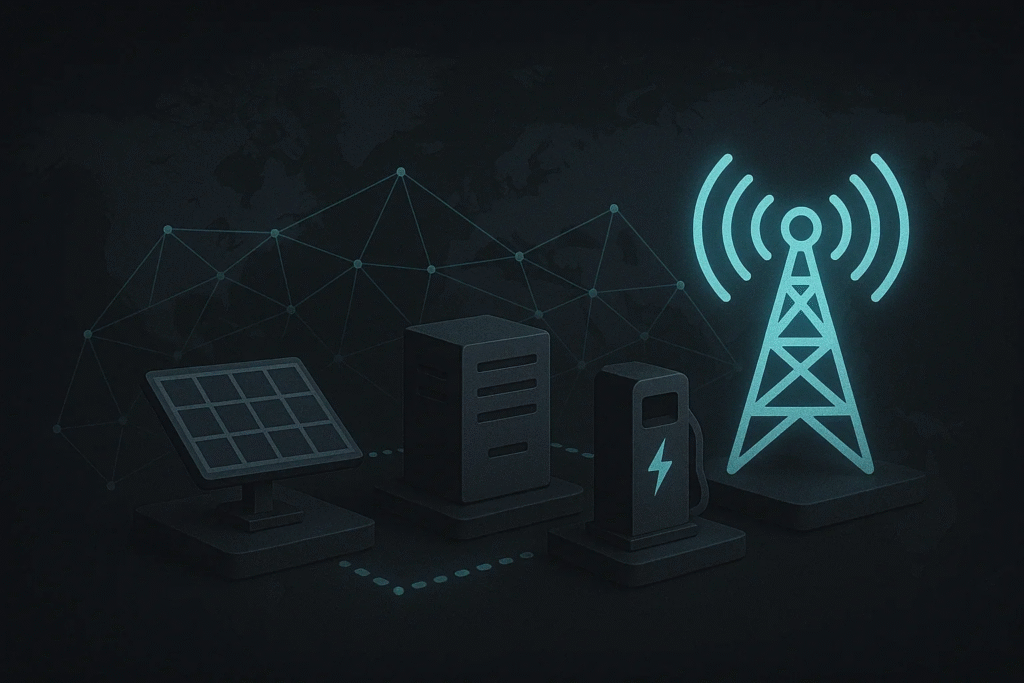
A newer area of Web3 is often called DePIN, or decentralized physical infrastructure networks Web3 Technologies.
The concept connects blockchain-based incentives with real-world infrastructure.
Depending on the project, this can involve things such as wireless networks, storage, computing resources, mapping, or other physical infrastructure.
Instead of infrastructure being built and operated entirely by one centralized organization, DePIN models can encourage individuals or businesses to contribute resources to a network.
It’s still an emerging concept, but it represents an interesting shift because it takes Web3 beyond purely digital assets.
Why watch it: DePIN explores how decentralized networks can coordinate real-world resources.
8. Decentralized Identity Web3 Technologies
Identity is another major area where Web3 technology could have an impact.
Today, people often create separate accounts and share personal information with many different websites and services.
Decentralized identity aims to give users more control over digital credentials and identity information.
A future Web3 Technologies system could potentially allow a person to prove certain facts about themselves without repeatedly handing over unnecessary personal information to every service.
The technology and standards are still developing, and privacy, security, usability, and legal recognition all need careful consideration.
Why watch it: Digital identity could become an important part of how people interact with Web3 services.
9. Web3 Technologies Wallets
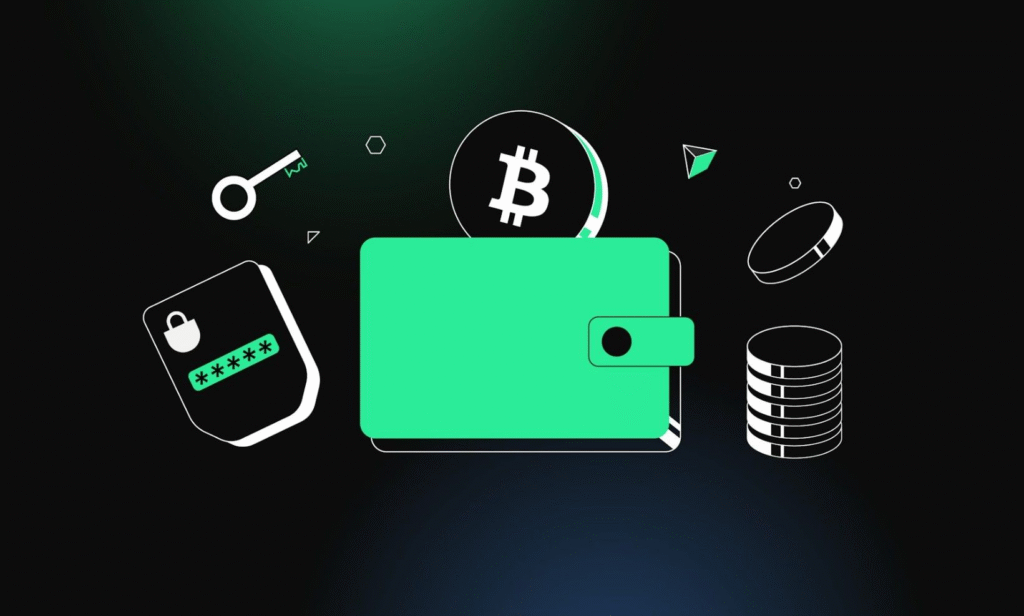
Crypto and Web3 wallets are evolving beyond simple cryptocurrency Web3 Technologies storage.
A wallet can act as an access point to decentralized applications, digital assets, tokens, and blockchain-based services.
Instead of remembering a separate username and password for every application, some Web3 systems allow users to connect a wallet and interact with services through their blockchain account.
That model introduces new responsibilities, however. Losing access credentials or signing a malicious transaction can create serious problems.
Better wallet design, security features, account recovery, and simpler user experiences will be important for mainstream adoption.
Why watch it: Wallets could become a key gateway between people and Web3 applications.
10. Nuts and Digital Collectibles
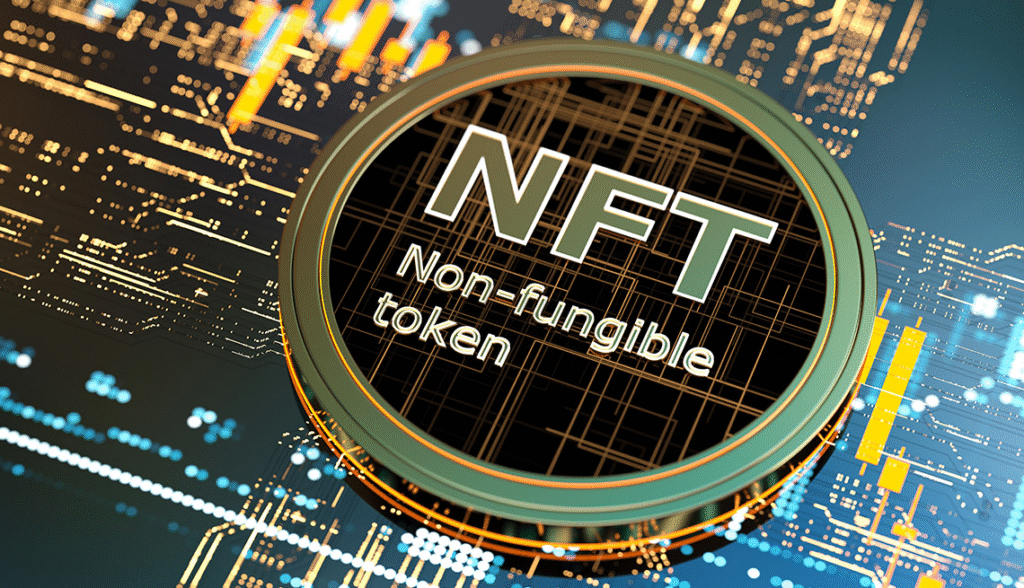
Nuts became widely known through digital art and collectibles, but the underlying technology has broader potential.
An NFT, or non-fungible token, can represent a unique digital item or ownership record on a blockchain.
Possible applications include:
- Digital artwork
- Collectibles
- Gaming assets
- Event tickets
- Memberships
- Certificates
- Creator communities
- Digital identity elements
The hype surrounding Nuts has cooled significantly from its peak, but that doesn’t mean the underlying concept has disappeared.
The more interesting question now is whether Nuts can become useful rather than simply collectible.
Why watch it: Nuts introduced millions of people to blockchain-based digital Web3 Technologies ownership and could evolve into practical digital assets.
11. Blockchain Gaming
Gaming is another area where Web3 ideas continue to develop.
Traditional games already contain valuable digital items, but those items are usually controlled by Web3 Technologies the game developer and remain inside that game’s ecosystem.
Blockchain gaming experiments with allowing players to own certain digital assets through tokens or Nuts.
The biggest challenge is making the games genuinely enjoyable.
Players generally care about game-play first. If blockchain features add unnecessary complexity, they may not provide much value.
The strongest Web3 gaming projects are likely to be those where blockchain technology improves the Web3 Technologies experience instead of becoming the entire selling point.
Why watch it: Digital ownership could change how players interact with virtual items and online economies.
12. DAOs and Online Communities
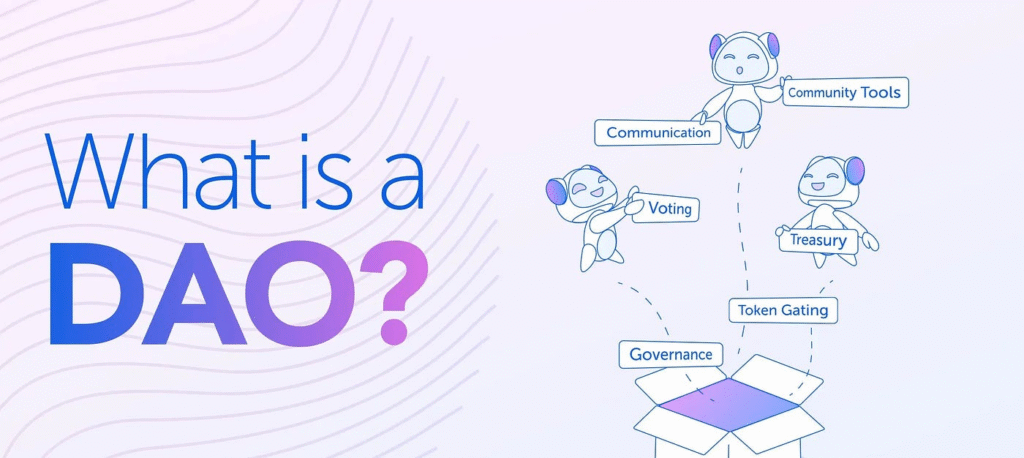
DAO stands for Decentralized Autonomous Organization.
A DAO typically uses blockchain-based governance mechanisms to allow a community to participate in decisions about a project or treasury.
The concept is ambitious: online communities can coordinate around shared rules without relying entirely on a traditional corporate structure.
In practice, DAOs face challenges involving governance, participation, voting power, legal status, and decision-making.
Still, the experiment is important because it asks a fascinating question:
Can online communities collectively manage digital organizations through transparent blockchain systems?
Why watch it: DAOs are testing new models for community-driven organization and governance.
13. AI and Web3 Technologies
Artificial intelligence and Web3 are two of the biggest technology conversations happening today, and their overlap is becoming increasingly interesting.
AI can help automate tasks, analyze information, create content, and power intelligent applications. Blockchain can provide transaction records, ownership systems, decentralized infrastructure, and programmable incentives.
Potential intersections include AI agents interacting with blockchain networks, decentralized computing, digital identity, data ownership, and machine-to-machine payments.
The combination is still early, so it’s worth separating practical projects from marketing hype.
Why watch it: AI could make Web3 applications easier to use, while blockchain may provide infrastructure for ownership, payments, and coordination.
14. Stablecoins and Web3 Technologies Payments
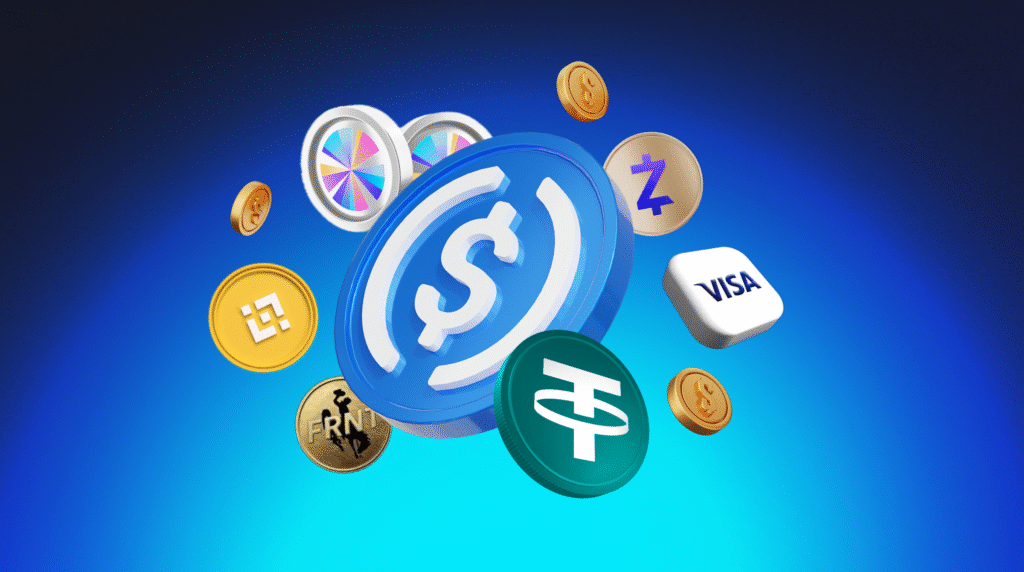
Cryptocurrency payments can be difficult to use for everyday purchases because many digital assets experience significant price fluctuations.
Stablecoins attempt to address this issue by maintaining a value linked to another asset, commonly a fiat currency.
They are increasingly relevant to the Web3 ecosystem because they can make blockchain-based payments more predictable.
Potential uses include international transfers, digital commerce, decentralized finance, and payments between businesses or applications.
Regulation remains an important consideration, particularly as stablecoins become more widely used.
Why watch it: Stablecoins could help connect blockchain networks with practical digital payments.
Why Digital Ownership Matters Web3 Technologies
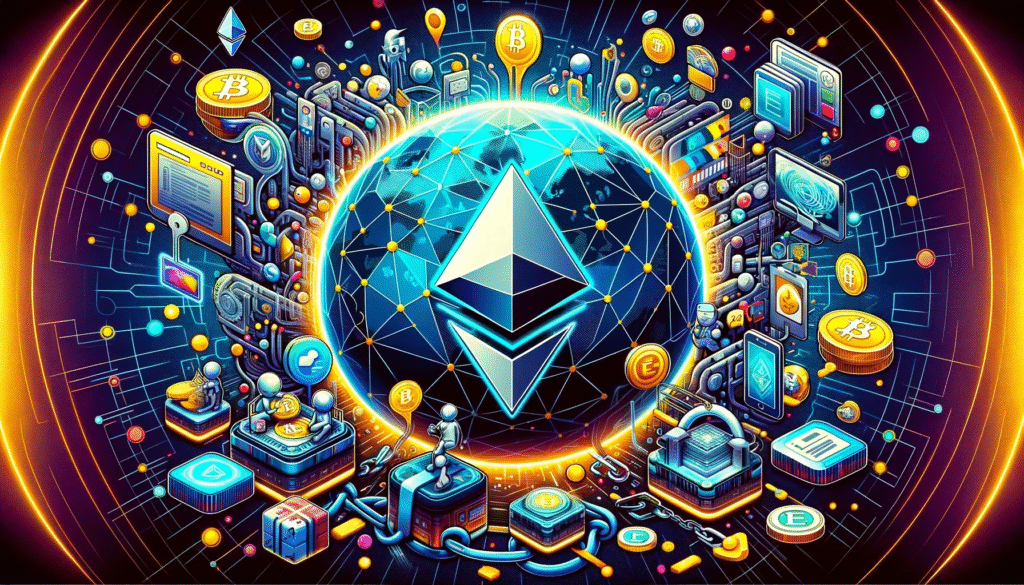
One of the biggest ideas behind Web3 is the concept of digital ownership.
For years, much of what people do online has been tied to platforms.
You might purchase an item inside a game, build a following on a social network, or create content on a platform, but the platform ultimately controls much of the underlying infrastructure.
Blockchain-based systems offer another approach.
Ownership can be represented through tokens or blockchain records that can potentially move between compatible applications.
That doesn’t mean every digital item should become a blockchain asset. In many cases, traditional databases are perfectly adequate.
The interesting part is having another technological option when verifiable ownership, demonstrability, or decentralized coordination actually provides value.
Web3 Trends to Watch in 2026
Several broader trends could shape the Web3 space in the coming years:
More Practical Applications
The conversation is gradually moving away from hype and toward practical uses.
Projects that solve real problems are more likely to attract lasting attention.
Better User Experiences
Web3 still has a learning curve. Easier wallets, simpler transactions, improved account recovery, and familiar interfaces could make a major difference.
Greater Focus on Regulation
As blockchain applications become more connected to finance and real-world assets, regulation will remain an important part of the industry.
Real-World Asset Tokenization
Bringing traditional assets onto blockchain networks is one of the areas with potentially significant long-term implications.
Blockchain Infrastructure
Scaling, interoperability, security, privacy, and developer tools may not be as flashy as Nuts, but they are essential for the wider ecosystem.
AI and Blockchain Convergence
The combination of AI agents, decentralized infrastructure, blockchain payments, and digital ownership could create new types of applications.
Is Web3 the Future of the Internet?

That’s difficult to answer with certainty.
Web3 has genuine technological ideas behind it, but the industry has also experienced plenty of speculation, failed projects, security problems, and exaggerated promises.
The most realistic future may not be an internet that suddenly becomes completely decentralized.
Instead, we may see Web3 technologies quietly becoming part of the existing internet.
Users may not even realize they’re interacting with blockchain infrastructure. Wallets could become easier to use, tokenization could happen behind familiar financial interfaces, and decentralized systems could operate alongside traditional services.
That gradual approach may be more realistic than expecting one technology to replace everything.
How to Stay Safe in Web3
Exploring Web3 requires more caution than simply signing up for another online service.
Keep these basics in mind:
- Never share your wallet’s private keys or recovery phrase.
- Check website addresses carefully before connecting a wallet.
- Don’t sign transactions you don’t understand.
- Be suspicious of unrealistic investment promises.
- Research projects before sending money.
- Use reputable wallets and security practices.
- Keep valuable assets separated from wallets used for everyday experimentation.
- Remember that blockchain transactions can be difficult or impossible to reverse.
Web3 can be exciting, but curiosity should come before commitment—especially when money is involved.
FAQ’S
1. What is Web3 technology?
Web3 is a developing vision of the internet that uses blockchain, smart contracts, decentralized applications, digital assets, and other technologies to support greater user ownership and control.
2. What are the best Web3 technologies to watch in 2026?
Key areas include blockchain, smart contracts, DeFi, tokenization, Layer 2 networks, decentralized identity, Web3 wallets, DePIN, DAOs, and AI-Web3 applications.
3. How does Web3 support digital ownership?
Blockchain can create verifiable records of digital assets and ownership, allowing certain assets to be transferred or used across compatible platforms.
4. What is the difference between Web2 and Web3?
Web2 is largely built around centralized platforms, while Web3 explores decentralized networks where blockchain can play a larger role in ownership, payments, identity, and applications.
5. Is Web3 safe for beginners?
Web3 can be explored safely with proper precautions, but users should be careful with wallets, private keys, recovery phrases, scams, and financial investments.