

Starting a business is exciting. You have ideas, energy, and big dreams. But behind every successful startup is one quiet hero that decides its survival—money management. Many new entrepreneurs fail not because their idea is bad, but because their finances are weak. Understanding startup finance from the beginning can save you from costly mistakes and help you build a business that actually lasts.
This guide breaks down startup finance in a simple, practical way so that even first-time founders can understand, plan, and grow with confidence.
Why Startup Finance Matters More Than You Think
Finance is not just about profits. It is about survival. Startups usually operate with limited money, high uncertainty, and unpredictable income. Without clear financial control, even a fast-growing business can collapse.
Strong startup finance helps you:
- Track where your money is coming from and going
- Control expenses and avoid waste
- Plan growth realistically
- Gain investor and lender trust
- Stay legally and tax compliant
- Make confident business decisions
Good finance does not guarantee success, but poor finance almost always brings failure.

Understanding the Basic Financial Structure of a Startup
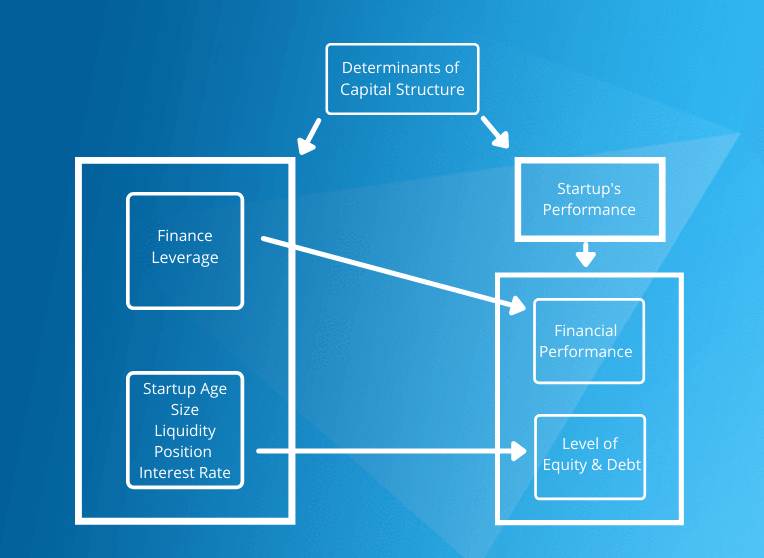
Every startup runs on a simple financial structure:
- Income: Money coming in from sales, services, or clients
- Expenses: Rent, salaries, marketing, tools, production, and operations
- Profit or Loss: What remains after expenses are paid
- Cash Flow: The real movement of money in and out of your business
Profit on paper does not always mean cash in hand. Many startups collapse due to poor cash flow management even when they appear profitable.
Bootstrapping vs External Funding
Most startups begin with bootstrapping, which means using personal savings or revenue to run the business. This gives full control but limits speed.
As the business grows, founders may look for external funding such as:
- Angel investors
- Venture capital
- Bank loans
- Government startup schemes
- Business grants
Bootstrapping builds discipline. Funding brings scale. The right choice depends on your industry, goals, and risk tolerance.

Managing Startup Expenses Wisely

In the early stages, every rupee or dollar counts. New entrepreneurs often overspend on things that feel important but do not bring immediate value.
Smart expense control includes:
- Keeping fixed costs low
- Avoiding unnecessary subscriptions
- Hiring slowly and strategically
- Outsourcing instead of building full teams early
- Tracking every expense regularly
A startup that learns to survive on less builds stronger foundations for future growth.
Cash Flow: The Lifeline of Every Startup
Cash flow is more important than profit in the early phase. A startup can be profitable but still fail if cash is stuck in unpaid invoices, slow customers, or overstock.
To protect your cash flow:
- Collect payments quickly
- Avoid long credit cycles
- Maintain an emergency reserve
- Forecast monthly income and expenses
- Never mix personal and business money
Good cash flow gives you freedom. Poor cash flow creates constant stress.

Understanding Business Banking for Startups

A separate bank account for your business is not optional—it is essential. It keeps your records clear and builds financial credibility.
A proper business banking setup helps with:
- Clean accounting
- Easier tax filing
- Access to loans and credit
- Investor verification
- Better financial planning
Choose a bank that offers digital banking, low transaction charges, and good business support services.
Taxes and Legal Compliance for New Businesses
Ignoring taxes is one of the fastest ways to destroy a startup. Every business must understand:
- Income tax rules
- GST or VAT (as applicable)
- TDS or withholding taxes
- Business registration requirements
- Annual filings and audits
Hiring a basic accountant or tax consulttant early can save you from penalties, legal trouble, and stress later.

Financial Planning for Startup Growth

Growth without planning is dangerous. Before expanding your team, launching new products, or entering new markets, your finances must support the move.
Smart financial planning includes:
- Setting monthly and yearly budgets
- Building revenue projections
- Planning funding needs in advance
- Monitoring profit margins regularly
- Preparing for slow business periods
Growth must be funded, not forced.
Common Financial Mistakes New Entrepreneurs Make
Many startups repeat the same financial mistakes:
- Underestimating initial costs
- Mixing personal and business finances
- Taking loans without repayment planning
- Ignoring cash flow forecasts
- Chasing revenue without tracking profit
- Delaying tax compliance
Awareness of these mistakes is your first layer of protection.

Building a Financially Strong Startup Mindset

Startup finance is not just about numbers—it is about mindset. Successful founders treat money with discipline, not emotion. They plan before they spend, review before they expand, and save before they celebrate.
A strong financial mindset includes:
- Patience over quick money
- Systems over shortcuts
- Long-term stability over short-term hype
- Learning from every financial mistake
Money management is a skill that grows with practice.
Final Thoughts
A startup does not fail the day it shuts down. It usually fails months earlier through poor financial decisions. Learning startup finance early gives you power—power to plan, power to grow, and power to survive tough phases.
You do not need to be a finance expert to succeed as a founder. You only need clarity, discipline, and the courage to face your numbers honestly. When your finances are strong, your business stands on solid ground.
Disclaimer:This content is provided for educational purposes only and does not constitute financial, legal, or investment advice. Startup laws, tax rules, and financial regulations vary by region. Always consult a qualified financial advisor, accountant, or legal professional before making major business decisions.
#StartupFinance #NewEntrepreneurs #BusinessFunding #StartupGrowth #MoneyForStartups #EntrepreneurLife #SmallBusinessTips #CashFlowManagement #StartupSuccess #BusinessPlanning #Anslation #Carrerbook