A decade ago, cryptocurrency was just a strange word floating around tech circles. Today, it shapes global finance, attracts major investors, powers digital art, and challenges traditional banking systems. From Bitcoin’s first block to the rise of Web3, blockchain has grown from an experiment into a full-scale revolution. If you are curious, cautious, or ready to invest, this guide will take you from the basics to advanced understanding in a simple, practical way.
What Is Blockchain in Simple Words?
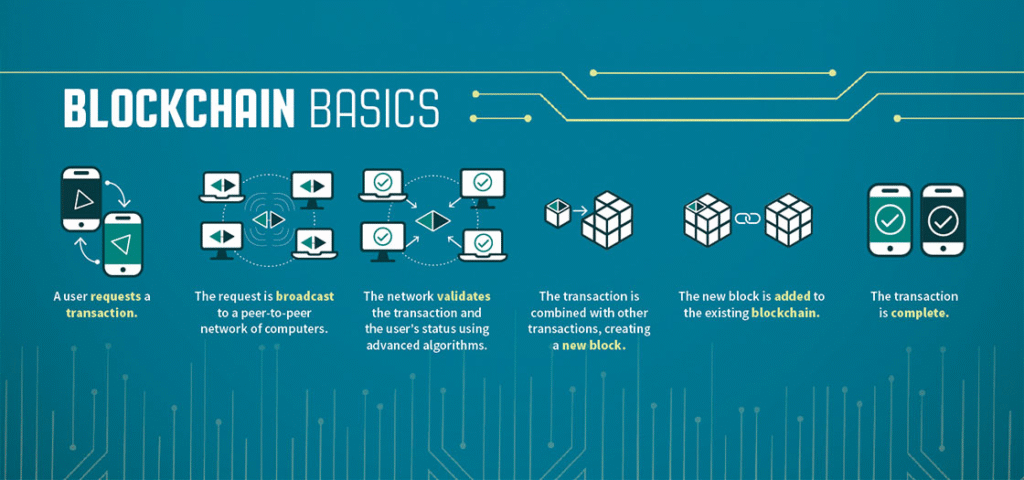
At its core, blockchain is a digital record book. Instead of being stored on one computer or server, it is shared across thousands of computers around the world. Every transaction is grouped into a “block,” and once a block is added to the chain, it cannot be changed. This makes blockchain transparent, secure, and nearly impossible to manipulate.
Think of it like a public notebook where every page is verified by many people at once. No single authority controls it, and everyone can check the records.
Understanding Cryptocurrency for Beginners
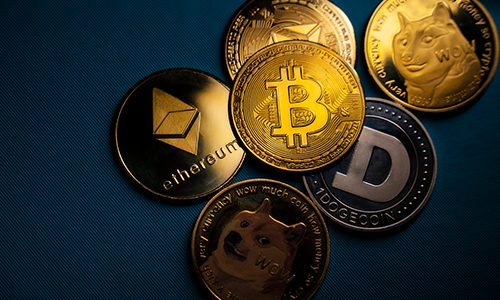

Cryptocurrency is digital money that works on blockchain technology. Unlike traditional currency issued by governments, crypto is decentralized. This means no bank or government controls it.
Bitcoin was the first and remains the most well-known cryptocurrency. Since then, thousands of other digital coins have been created, including Ethereum, Solana, Ripple, and many more. Each serves a different purpose—some are designed for faster payments, while others power entire digital ecosystems.
Crypto can be used for:
- Online payments
- Long-term investments
- Trading for profit
- Accessing decentralized financial services
- Digital assets like NFTs and gaming tokens
Why Blockchain Is So Powerful



Blockchain is not limited to money. Its real power lies in trust without middlemen. Because data cannot be easily altered, blockchain is being used in many industries such as:
- Banking and financial services
- Supply chain tracking
- Healthcare data security
- Online voting systems
- Artificial intelligence and data sharing
- Gaming and digital ownership
This technology removes the need for third parties, reduces costs, improves transparency, and increases security across industries.
How Crypto Trading and Investing Works

When people enter crypto, they usually start by buying coins from an exchange using traditional currency. Some investors hold crypto for years believing in long-term growth. Others trade daily to earn from price changes.
There are two main approaches:
- Long-term investing: Buying strong projects and holding them patiently
- Short-term trading: Buying and selling frequently to capture price movements
Both require knowledge, discipline, and risk management. Crypto markets are highly volatile. Prices can rise or fall sharply within hours. This is why understanding market trends, news, and technical indicators is essential.
From Beginner to Pro: How to Grow in Crypto

Your crypto journey naturally evolves in stages:
Beginner Stage
You learn what blockchain is, how to create a wallet, how exchanges work, and how to buy your first coin. At this stage, safety and education matter more than profits.
Intermediate Stage
You explore different blockchains, understand gas fees, try staking, and may enter decentralized finance platforms. You start analyzing market trends instead of following hype.
Advanced Stage
You use cold wallets, study tokenomics, participate in early-stage projects, trade with strategies, and understand regulations, taxation, and macroeconomic impact on crypto markets.
Progress in crypto is not about speed. It is about consistent learning and cautious decision-making.
The Rise of DeFi, NFTs, and Web3

Blockchain today is much more than buying and selling coins.
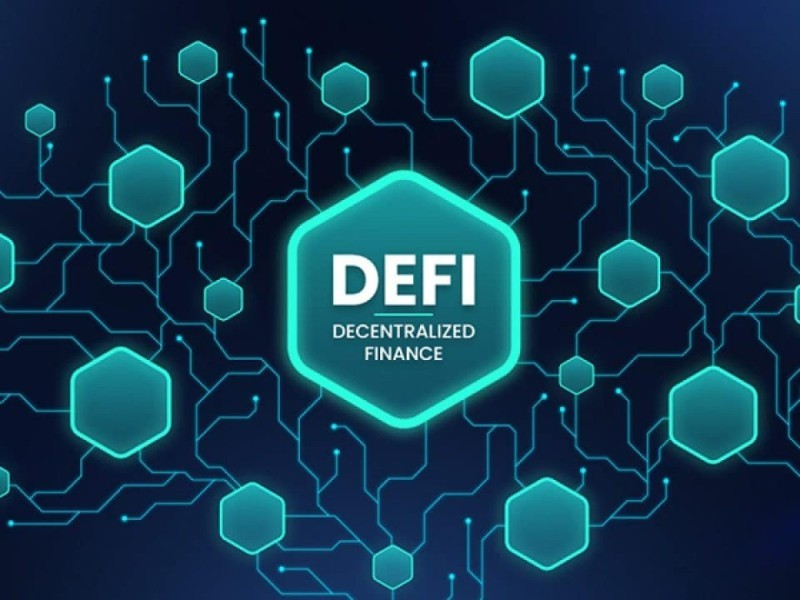
Decentralized Finance (DeFi) allows users to lend, borrow, earn interest, and trade without banks.
NFTs (Non-Fungible Tokens) prove digital ownership of art, music, games, and collectibles.
Web3 represents the next version of the internet where users own their data instead of large corporations.
These innovations are reshaping how value, ownership, and identity work in the digital world.
Risks You Must Understand
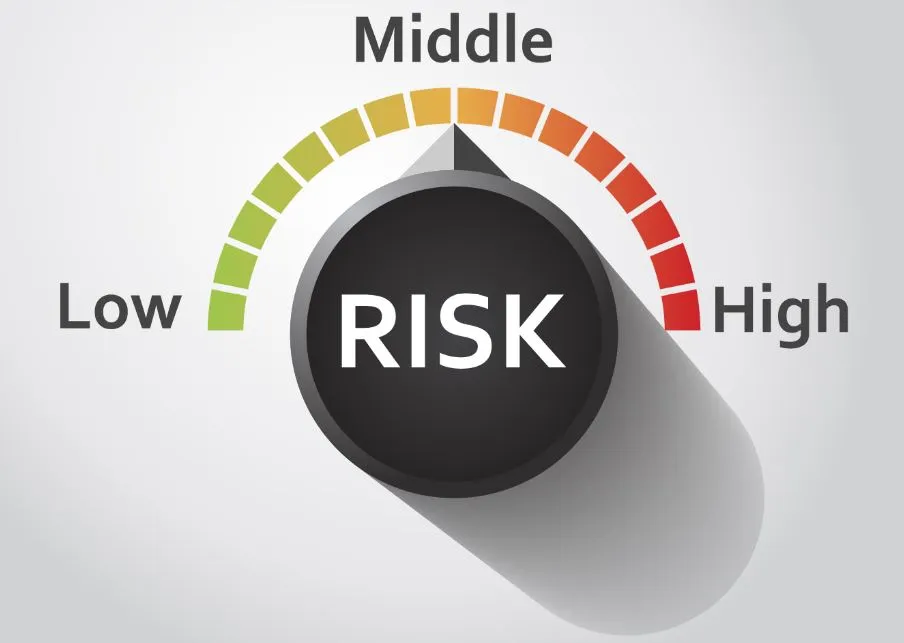
Crypto offers opportunity, but it also carries serious risks:
- Extreme price volatility
- Scams and fraudulent projects
- Hacking and wallet security threats
- Regulatory uncertainty
- Emotional trading and market manipulation
Never invest money you cannot afford to lose. Always verify projects thoroughly. Keep private keys secure. Use reliable platforms only.
The Future of Blockchain and Crypto

Governments, banks, and global companies are now exploring blockchain. Central bank digital currencies, tokenized assets, and AI-blockchain integrations are already under development. The future points toward a more digital, connected, and decentralized financial system.
Crypto adoption is still in its early phase. As regulations become clearer and technology matures, blockchain will likely become a regular part of everyday life—much like the internet today.
Final Thoughts
Blockchain and cryptocurrency are not quick-rich schemes. They are long-term technological shifts changing how the world stores value and builds trust. Whether you are a student, investor, entrepreneur, or curious learner, understanding this space is no longer optional—it is essential.
If you start with patience, learn continuously, and stay grounded in reality, your journey from beginner to pro can be rewarding, informative, and financially empowering.
Disclaimer:This content is for educational purposes only and does not constitute financial or investment advice. Cryptocurrency markets are highly volatile and involve risk. Always conduct your own research and consult a qualified financial advisor before making any investment decisions.
#CryptoGuide #BlockchainTechnology #BitcoinBasics #CryptoInvestment #Web3Future #DeFiExplained #DigitalCurrency #CryptoEducation #BlockchainForBeginners #FutureOfFinance #Anslation #Carrerbook